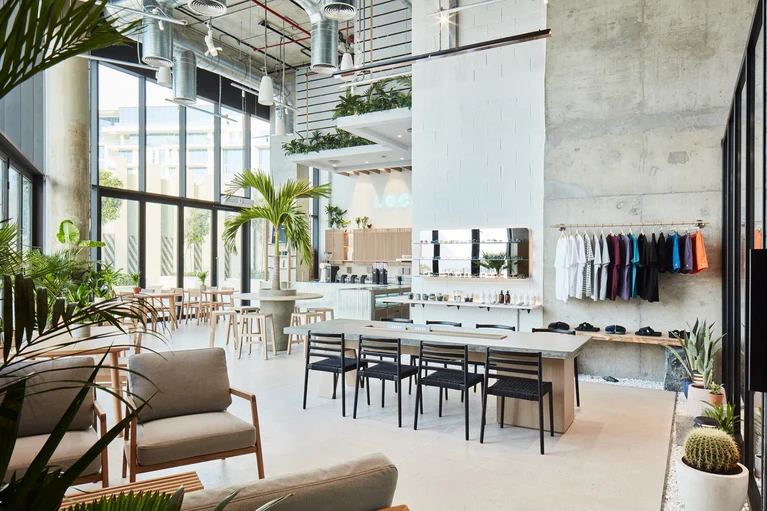
Confused by terms like “Category A,” “Grade A,” or “shell and core” when planning an office fit out? You’re not alone. These classifications can dramatically impact costs and what you actually get and you might overpay for features you don’t need or end up with a space that doesn’t work for you.
Grasping these categories is key to planning a successful interior office fit out.
The three common grades
Most projects fall into three basic categories. A basic fit out provides essential elements for operation: walls, floors, ceilings, and standard utilities. It’s functional and simple. A medium grade includes better finishes, improved lighting, and some custom design for a polished look. A high specification fit out offers top-tier materials, advanced technology integration, and distinctive architectural features for a premium brand experience.
Building shell and core
Before any fit out begins, you have the base building. This is the empty structural shell with common area services. It includes external walls, the main lobby, and shared stairwells. Your work starts from this blank canvas, installing everything necessary for your specific business to function.
The foundation
This is the standard landlord provision. It makes the space usable for a tenant. Category A typically includes raised floors, suspended ceilings with basic lights, standard wall finishes, and essential mechanical and electrical services. Think of it as a neutral, move-in-ready shell that you can then personalize.
Your brand’s identity
Here is where your company’s character comes to life. Category B work takes the Category A shell and tailors it to your operational needs. This includes custom partitions, meeting rooms, branded reception areas, specialized lighting, and all your furniture. It’s the design that staff and clients see and experience every day.
Technical and safety standards
Beyond aesthetics, strict rules govern the behind-the-scenes work. Electrical systems, plumbing, fire safety, and ventilation must all meet local building codes. Adherence to these regulations is non-negotiable. They protect everyone’s wellbeing and ensure the space is legally compliant.
Sustainability and wellness
Modern projects often follow guidelines for green building and staff health. These frameworks promote energy efficiency, the use of safe materials, good air quality, and access to natural light. Creating a space that cares for people and the planet is now a common priority.
By familiarizing yourself with these grades and standards, you establish a clear roadmap. You can communicate effectively with designers and builders, ensuring the final result aligns with your vision and requirements.